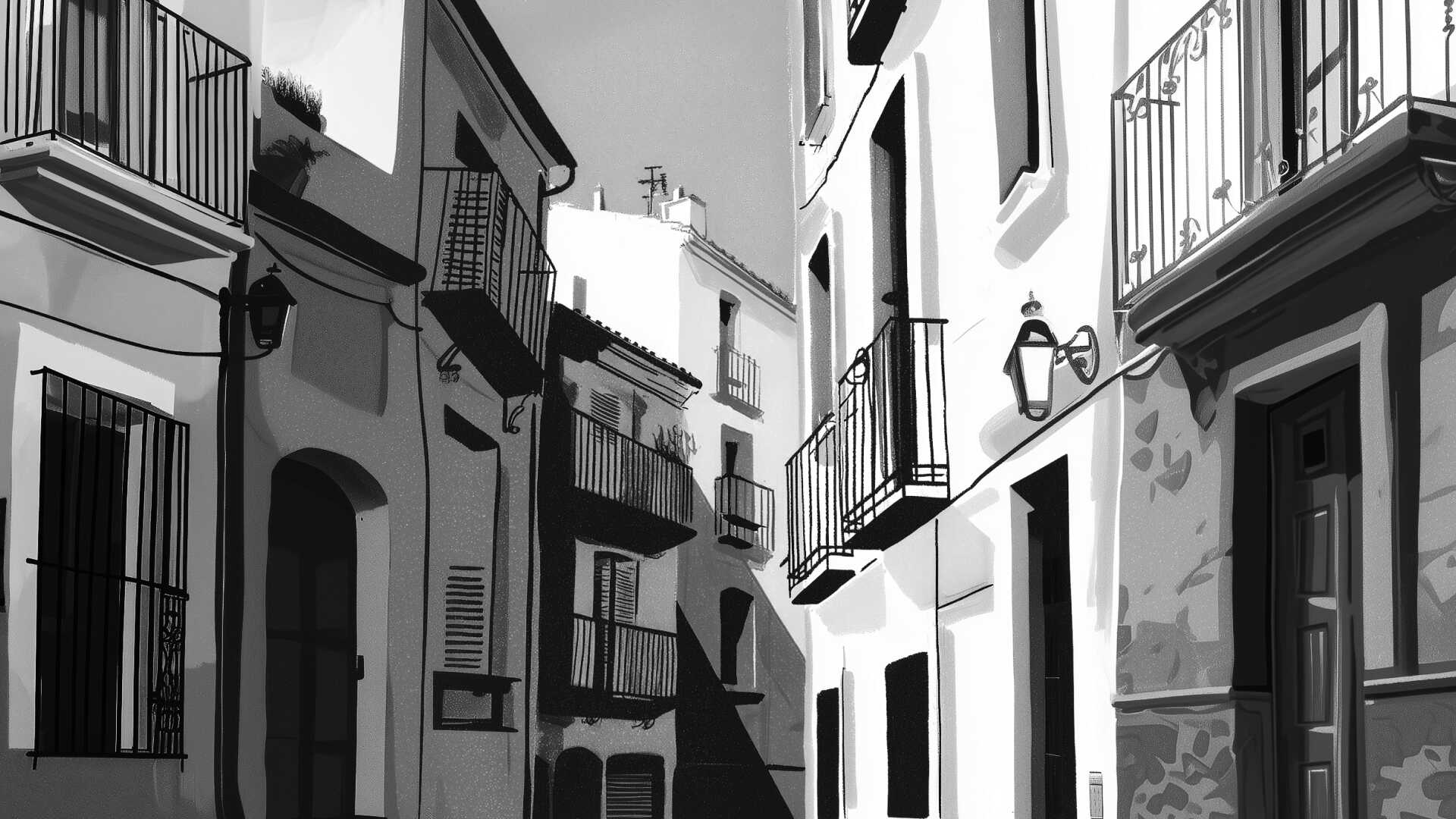
Cities teach color
Cities are unplanned color systems.
They are shaped by materials, weather, culture, and time. Paint fades, metal oxidizes, concrete stains, posters overlap. What emerges is not a palette chosen in advance, but one formed through use.
Urban color feels honest because it is earned.
Cities do not design colors, they accumulate them.
Materials define the palette
Most city colors come from material reality.
Stone, brick, asphalt, glass, wood, and metal dominate urban environments. Their natural tones form the base palette. Artificial color appears as interruption rather than foundation.
This is why many cities feel muted until something bright appears. Color becomes a signal, not decoration.
Weather edits everything
Light changes color.
Sun, rain, fog, and pollution constantly edit how colors appear. A wall looks different at noon than it does at dusk. Wet pavement deepens contrast. Shadows cool tones.
Designers who observe cities learn that color is never static.
Color lives in context.
Contrast creates landmarks
Cities are dense with information.
In this density, contrast creates orientation. A red door on a grey street. A yellow sign among stone buildings. These moments stand out because the environment is restrained.
Urban color teaches a key lesson: contrast works best when the background is calm.
Fading adds character
Perfect color rarely lasts.
Paint chips. Posters peel. Signs sunbleach. These changes add depth rather than ruin. Fading introduces history into the surface.
Design inspired by cities often embraces imperfection instead of hiding it.
Color reflects culture
City color palettes are cultural artifacts.
Local materials, regulations, traditions, and climate all influence what colors appear. Mediterranean cities feel different from northern industrial ones. Neither is better, both are specific.
Color becomes identity through repetition.
Place shapes palette.
Learning from observation
Cities reward attention.
Walking, waiting, and noticing reveal combinations no style guide would propose. These combinations work because they are tested by use, time, and adaptation.
Designers who look closely borrow less and understand more.
Key ideas
Cities form organic color systems
Materials shape palettes
Context changes perception
Contrast creates orientation
Imperfection adds meaning