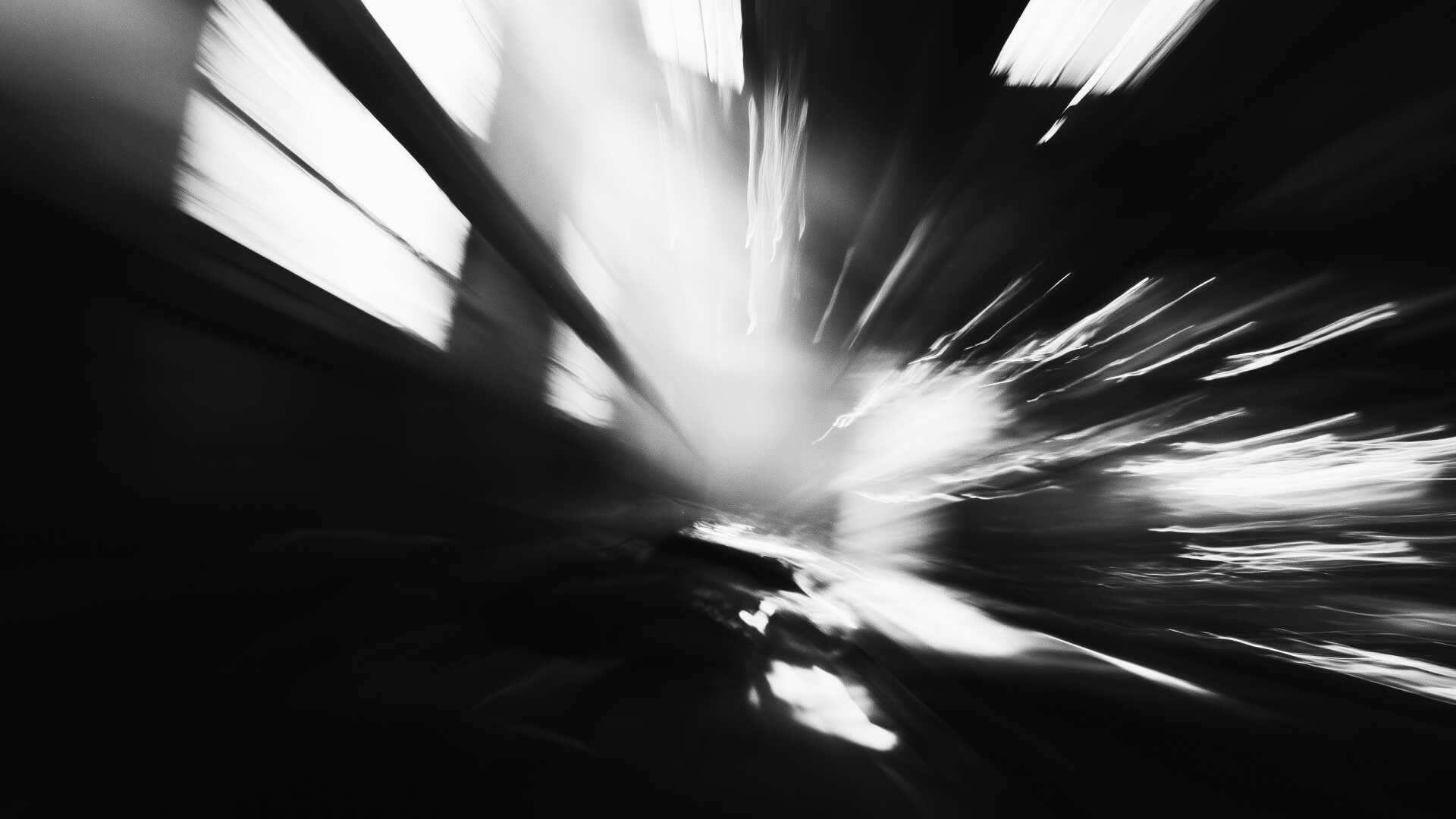
Motion gives identity a voice
Motion is not decoration.
When used well, motion becomes part of how a brand speaks. It adds timing, tone, and intention to otherwise static elements. Identity in motion is not about animation for its own sake, but about behavior.
How something moves matters as much as how it looks.
Motion turns identity into experience.
Movement reveals character
Every movement carries personality.
Fast or slow, sharp or soft, linear or elastic. These qualities communicate character instantly. A brand that moves abruptly feels different from one that eases into place.
Motion makes abstract values tangible.
Consistency builds recognition
Motion systems work when they repeat.
A single animation can feel expressive. A consistent motion language becomes recognizable. Repeated transitions, shared easing curves, and predictable rhythms allow users to feel familiarity without conscious effort.
This is how motion becomes identity rather than effect.
Motion should explain
The most effective motion clarifies relationships.
It shows cause and effect. It connects states. It helps users understand what changed and why. When motion explains, it reduces cognitive load instead of adding to it.
If motion does not add understanding, it should be removed.
Motion should answer questions, not raise them.
Restraint keeps motion meaningful
Motion is powerful, which makes it easy to overuse.
Too much movement competes for attention and quickly becomes noise. Restrained motion feels confident because it appears only when needed.
Quiet systems age better than expressive ones.
Identity lives in transitions
Logos, colors, and type define identity at rest.
Motion defines identity between states. How elements enter, exit, expand, and collapse shapes the overall feel of a product or brand. These transitions are often remembered more than static moments.
Identity in motion is about continuity.
Motion must scale
Motion design should survive growth.
As products expand, motion rules must remain flexible. Hard coded animations break. Systems based on principles adapt. This is why motion should be designed as a system, not a collection of effects.
Well designed motion scales with content and context.
Key ideas
Motion communicates character
Behavior defines identity
Consistency creates recognition
Explanation beats decoration
Restraint makes motion last