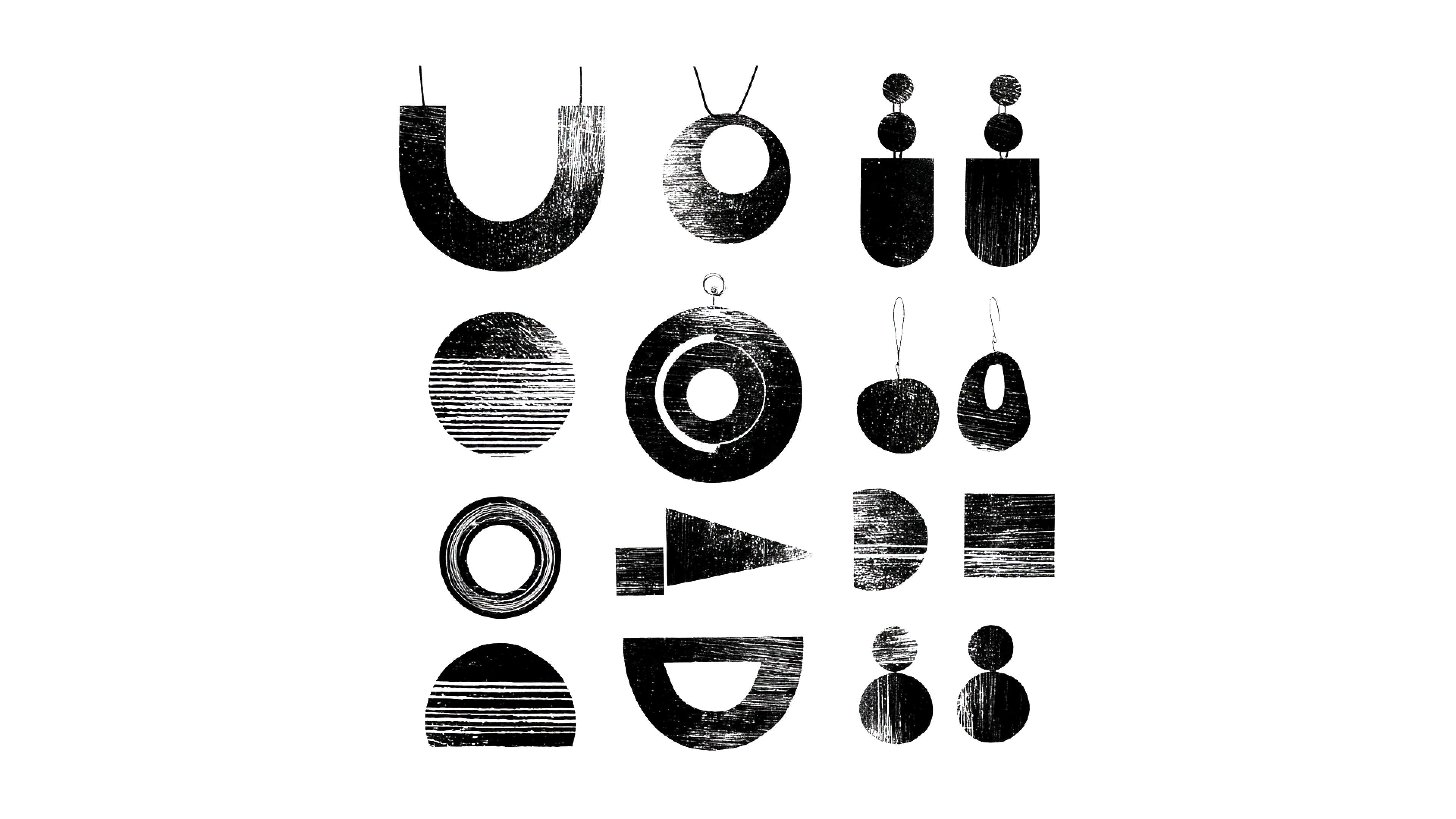
Consistency is restraint
Consistency is often mistaken for repetition. In practice, it is closer to restraint.
Good design rarely comes from adding more ideas. It comes from knowing which ideas to keep, which to remove, and which to repeat until they feel inevitable. Consistency is not about locking yourself into a rigid system. It is about making decisions that agree with each other over time.
“Consistency is not sameness. It is agreement.”
Taste is a filter, not a style
Taste plays a quiet but central role in design. It allows you to sense when something fits, even before you can explain why. Taste develops slowly, through exposure, comparison, and iteration.
The more you design, the more taste becomes a filter. It stops unnecessary variation before it reaches the surface.
Inconsistent work often looks expressive at first glance, but it rarely holds up. Colors change without reason. Type scales drift. Layout logic resets from one screen to another. These shifts usually signal uncertainty, not intention.
Systems allow variation
Consistency does not mean everything looks the same. It means everything feels related.
A strong system supports variation as long as the underlying rules remain clear. When those rules are respected, even bold decisions feel grounded.
Same rules
Different outcomes
Clear relationship
When consistency exists beneath the surface, design becomes quieter. And quiet design tends to last longer.
Trust is the real output
Over time, consistency creates trust.
Users trust the interface.
Clients trust the process.
Designers trust their own judgment.
Taste sharpens when applied consistently, and consistency becomes easier when guided by taste. The goal is not perfection. It is alignment.
“When decisions point in the same direction, clarity follows.”
Clarity is what allows design to last.