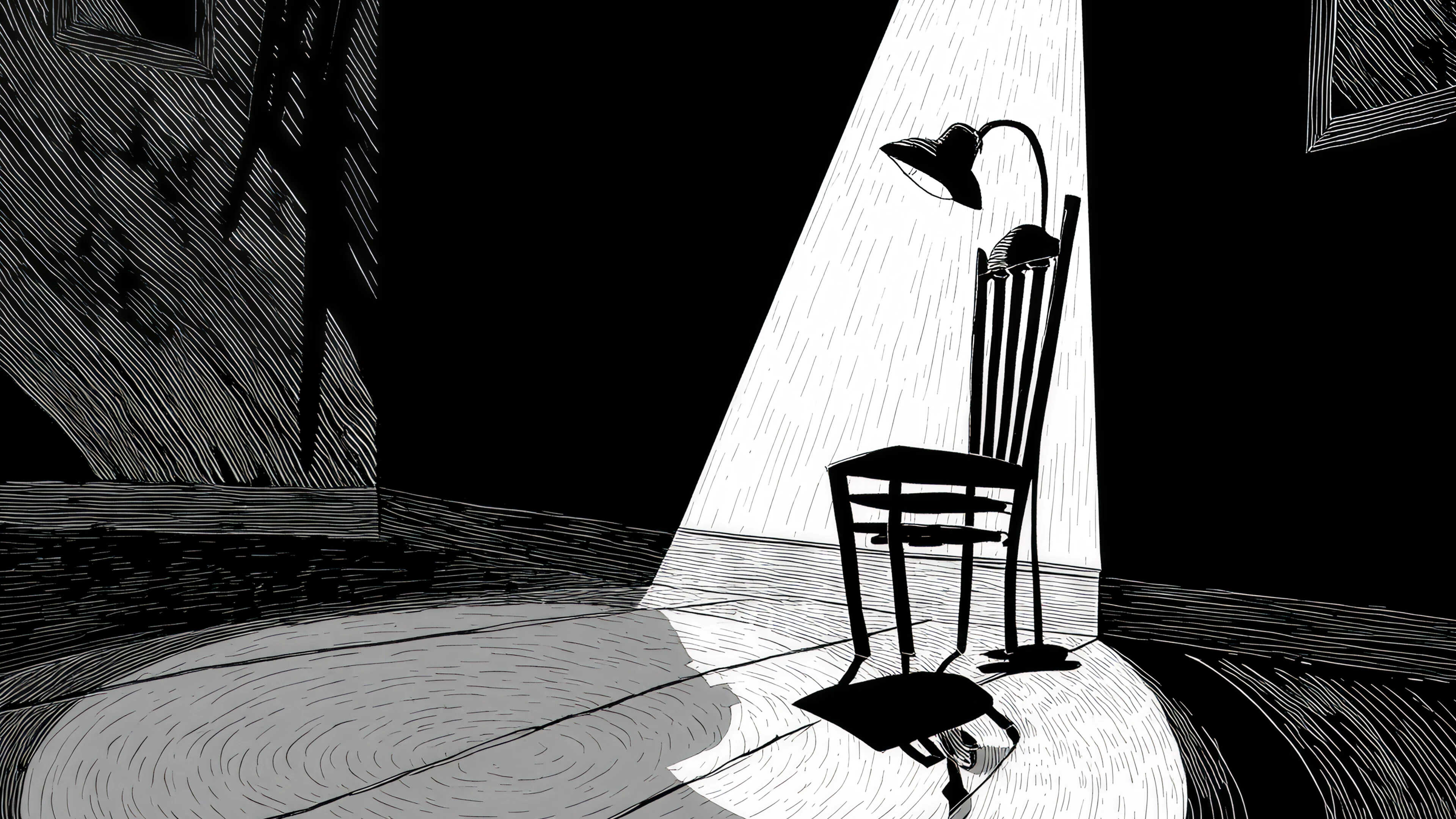
Attention is limited
Attention is the most constrained resource in design.
People do not arrive ready to focus. They arrive distracted, impatient, and surrounded by noise. Designing for attention means accepting this reality rather than fighting it.
The question is not how much you can show, but how little is needed to be understood.
Attention is earned, not assumed.
Clarity comes before engagement
Engagement is often treated as the goal.
In practice, clarity must come first. If something is not immediately understandable, it rarely becomes engaging later. Confusion does not invite curiosity, it creates friction.
Clear hierarchy, clear language, and clear intent are what allow attention to settle.
Hierarchy directs the eye
Attention follows structure.
Strong hierarchy tells the eye where to land, where to move next, and where to stop. Without it, attention scatters. With it, even dense content can feel approachable.
Hierarchy is not about making things big. It is about making relationships obvious.
The eye looks for instruction.
Contrast creates focus
Attention is drawn to difference.
Contrast in scale, weight, color, or spacing creates visual signals that guide focus. When everything looks similar, nothing stands out. When contrast is used deliberately, attention moves exactly where it should.
Contrast should be intentional, not decorative.
Reduce before you highlight
Many designs try to capture attention by adding more.
This usually backfires. Adding elements increases competition. Reducing elements increases clarity. When fewer things exist, the important ones naturally stand out.
Designing for attention often means removing distractions before emphasizing focal points.
Silence makes signals louder.
Motion demands restraint
Motion is powerful, but expensive.
It demands attention even when it is not needed. Used carefully, motion can guide focus and reinforce hierarchy. Used carelessly, it becomes noise.
Motion should explain, not entertain.
Attention fades quickly
Design must work fast.
First impressions happen in seconds. If the main idea is not clear immediately, attention moves on. Designing for attention means designing for speed.
This does not mean simplifying ideas, it means simplifying access to them.
Design what remains
Attention cannot be forced.
What remains after distraction is what design should serve. Clear structure, calm pacing, and intentional focus allow ideas to surface naturally.
Designing for attention is ultimately about respect. Respect for time, energy, and cognitive load.
Key ideas
Attention is limited
Clarity precedes engagement
Hierarchy guides focus
Reduction strengthens signals
Motion should serve meaning