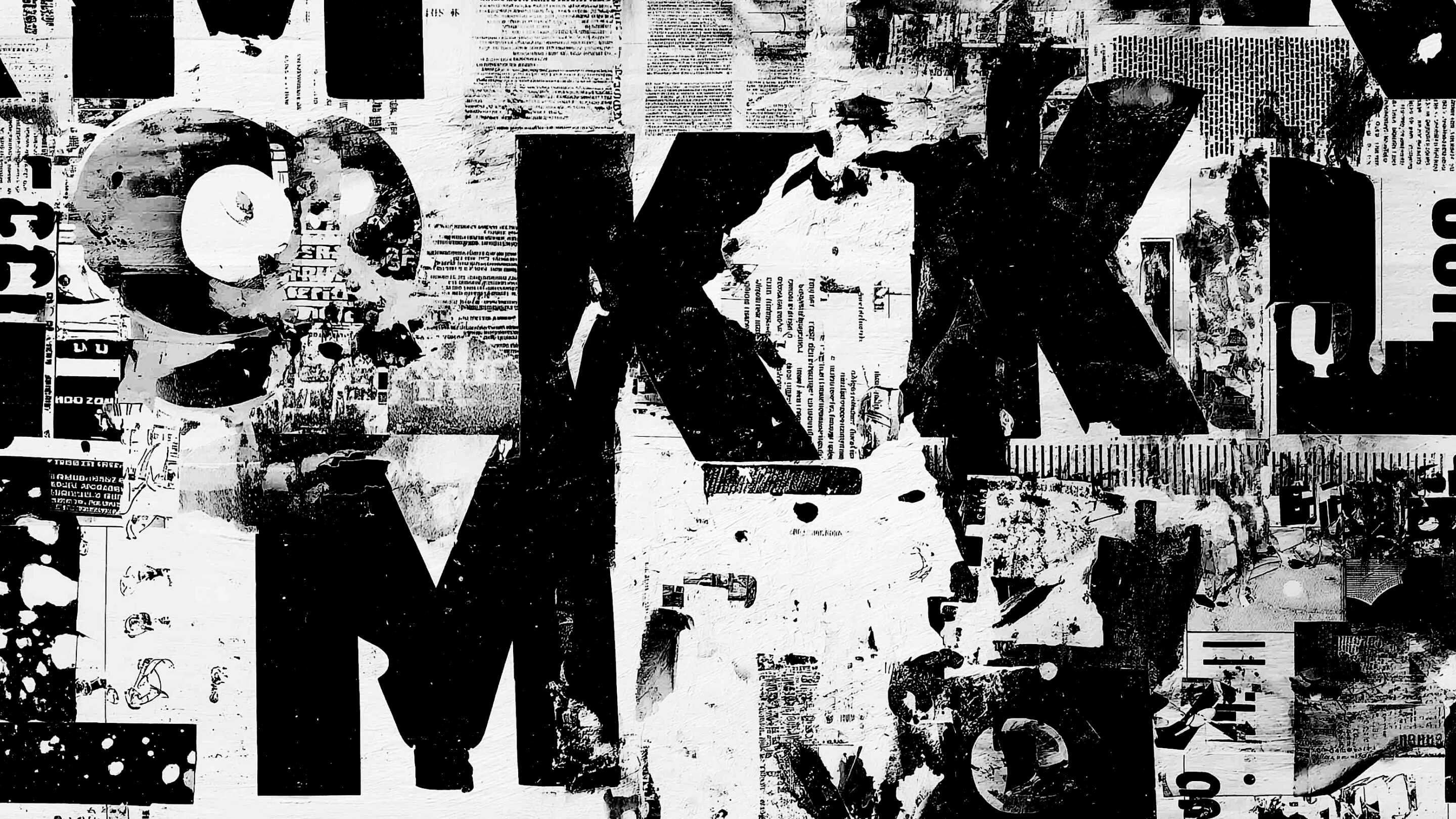
Type is the interface
Before color, before layout, before motion, there is type.
Typography is the first interface users encounter. It carries meaning before words are even read. A typeface sets expectations, defines tone, and establishes trust in a way few other elements can.
Type speaks before content does.
Poor typography is felt immediately, even by people who cannot explain why. Good typography disappears. It allows content to speak without friction.
Legibility is respect
Readable type is not a baseline, it is a decision.
Line length, spacing, contrast, and scale are all forms of respect for the reader’s time and attention. When these decisions are careless, content becomes work rather than communication.
Small details add up quickly.
Good type reduces effort
Bad type increases noise
Designing with type means designing for reading, not decoration.
Type creates rhythm
Typography controls pacing.
Headings slow the reader down. Body text carries them forward. White space allows ideas to settle. When type is structured well, reading feels natural, almost physical.
This rhythm is invisible when it works, and exhausting when it does not.
Typography is time management for the reader.
Type is a system
Type choices are rarely isolated. They influence grids, spacing, and layout behavior across an entire product.
A strong typographic system defines:
Hierarchy
Scale relationships
Contrast rules
Spacing logic
Once these rules exist, design decisions become easier. You stop asking what looks good and start asking what fits the system.
When type fails, nothing survives
Interfaces can survive weak color choices. Layouts can survive imperfect spacing. Typography rarely survives mistakes.
If type feels off, the entire design feels off.
This is why type matters. It is not a detail. It is the foundation.
Typography is not an aesthetic choice. It is a structural one.
Key ideas
Type is the first interface
Good typography disappears
Structure comes before style
Clarity scales better than expression